


Unlocking Solana Staking Rewards: Wallet Choices and Hardware Integration
So, here’s the thing—staking on Solana isn’t just about tossing your tokens into the void and hoping for the best. Nope, it’s way more hands-on, especially when you want to maximize rewards without risking your assets. I’ve been poking around different wallets and setups, and honestly, some options just feel clunky or overly complex. But then, wow, you find a tool that kinda just clicks with your workflow.
At first glance, staking might seem straightforward: delegate your SOL and watch the magic happen. But, really, there’s a bunch of subtle stuff going on under the hood—network validators, lock-up periods, and, of course, the wallet you choose to interact with all that. Something felt off about my initial setups; my instinct said, “There’s gotta be a smoother way.”
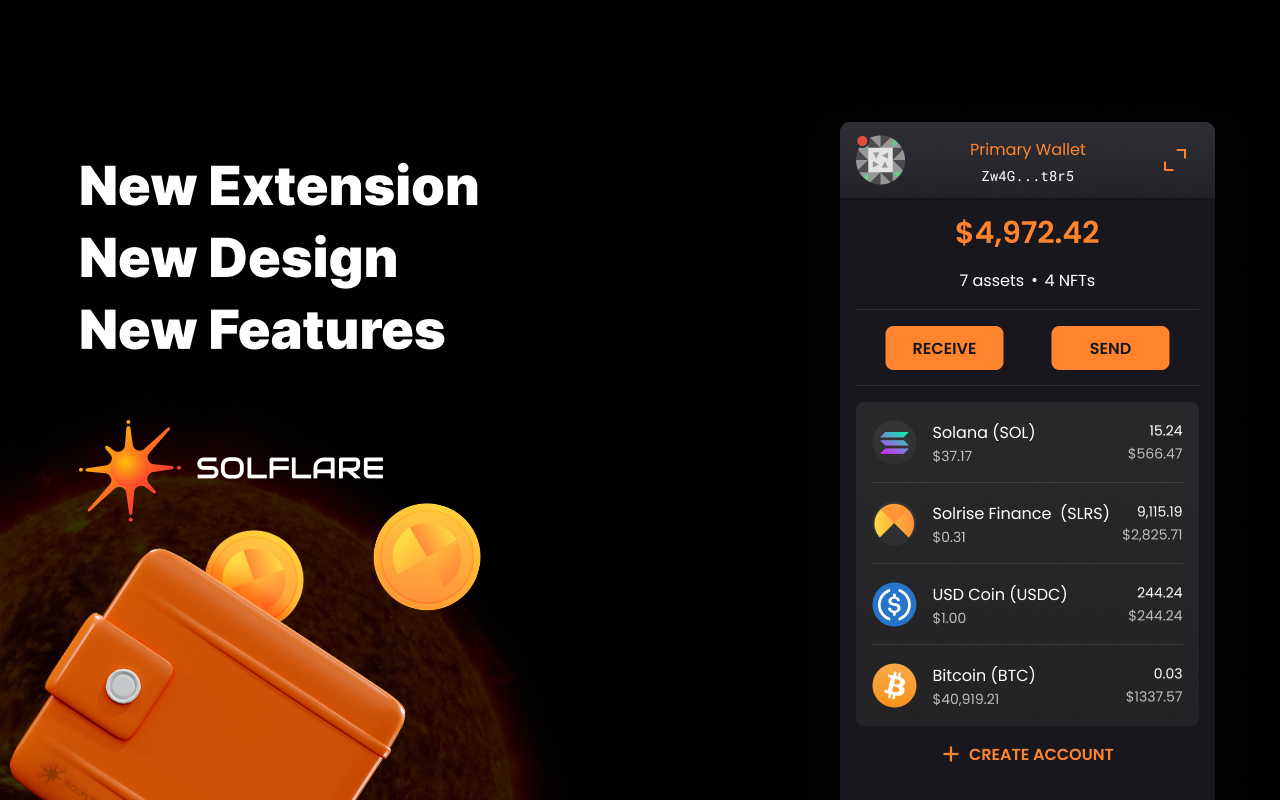
Now, if you’re deep into the Solana ecosystem, you know how fast things evolve. Wallet support and security layers aren’t just add-ons—they’re the backbone. Take the Solflare wallet, for example. It’s not just a place to store your SOL; it’s a full-fledged interface for staking, DeFi, and even hardware wallet integration. And it’s surprisingly user-friendly.
Seriously? Yep. The Solflare extension is something I landed on after testing a few wallets that were either too barebones or just too intimidating for my taste. That balance between ease of use and security is tricky. But Solflare nails it.
Here’s the kicker: integrating hardware wallets like Ledger or Trezor with Solflare amps up your security game without killing your staking experience. This combo means your private keys stay offline while you still get all the bells and whistles of staking rewards and DeFi apps. Pretty cool, right?
Okay, so check this out—when I first tried staking with a software-only wallet, I was nervous. What if my keys got compromised? On the other hand, hardware wallets felt like a fortress but were sometimes a pain to use for staking. This is where Solflare’s integration shines. It’s like having your cake and eating it too.
Digging deeper, I realized that staking rewards on Solana depend heavily on validator performance and network health. But your wallet choice can either help or hinder monitoring those stats. Solflare provides real-time feedback, letting you switch validators if needed without jumping through hoops.
Oh, and by the way, if you want to get started or upgrade your staking setup, you might want to check out the Solflare wallet extension here. It’s straightforward to install and pairs nicely with hardware wallets.
Why Hardware Wallets Matter in Solana Staking
Here’s what bugs me about some staking tutorials—they skim over security like it’s an afterthought. But honestly, in crypto, that’s where most folks get wrecked. Using a hardware wallet is very very important if you’re serious about safeguarding your assets while staking.
Initially, I thought, “Can’t I just keep my SOL in a hot wallet and stake away?” Actually, wait—let me rephrase that. You can, but it’s like leaving your house unlocked because you’re only stepping out for a minute. On one hand, it’s convenient; though actually, the risk isn’t worth it when you’re dealing with sizable holdings or long-term staking.
Hardware wallets keep your private keys offline, so even if your computer gets hacked, your SOL and staking rewards remain safe. Plus, with Solflare’s seamless hardware wallet support, you don’t lose that slick staking dashboard experience. It’s like having a secure vault that’s easy to access whenever needed.
That said, I’m not 100% sure this setup is perfect for everyone. There’s a learning curve, and honestly, sometimes the extra steps feel tedious. But the peace of mind? Totally worth it.
Also, if you’re into DeFi on Solana, a secure wallet setup lets you navigate yield farms and liquidity pools without risking your keys to shady smart contracts.
Personal Take: My Journey with Solana Wallets and Staking
I remember when I first started staking SOL, I was using a basic software wallet. At first, it felt liberating—staking rewards just trickled in. But after a couple of phishing attempts and hearing stories about lost keys, I got paranoid. Something told me I needed better armor.
Switching to Solflare was a game-changer. The interface felt intuitive, and the integration with my Ledger Nano was smooth—no weird glitches or cryptic error messages. I could monitor rewards, switch validators, and even interact with DeFi apps without sweating bullets. It’s not perfect, but it’s the most balanced solution I’ve found so far.
Here’s the thing: staking isn’t just passive income. It’s an active process where your wallet choice affects your whole experience. I’ve learned that picking a wallet that supports hardware integration and provides real-time validator insights can boost your confidence and rewards.
And hey, if you want to give it a whirl, the Solflare wallet extension is available here. Trust me, once you try it, you’ll notice the difference.
FAQ About Solana Staking and Wallets
Can I stake SOL directly from a hardware wallet?
Yes, with wallets like Solflare supporting Ledger or Trezor, you can stake SOL securely without exposing your private keys online.
Are staking rewards guaranteed on Solana?
No, rewards depend on validator performance and network conditions. Choosing reliable validators and monitoring them helps maximize your earnings.
Is it complicated to set up Solflare with a hardware wallet?
Not really. The extension walks you through the process, and once connected, managing staking and DeFi becomes much easier and safer.